Sep 2024 - May 2025
Pantree
Figma, Autodesk

My Work
The Evolution of Shopping
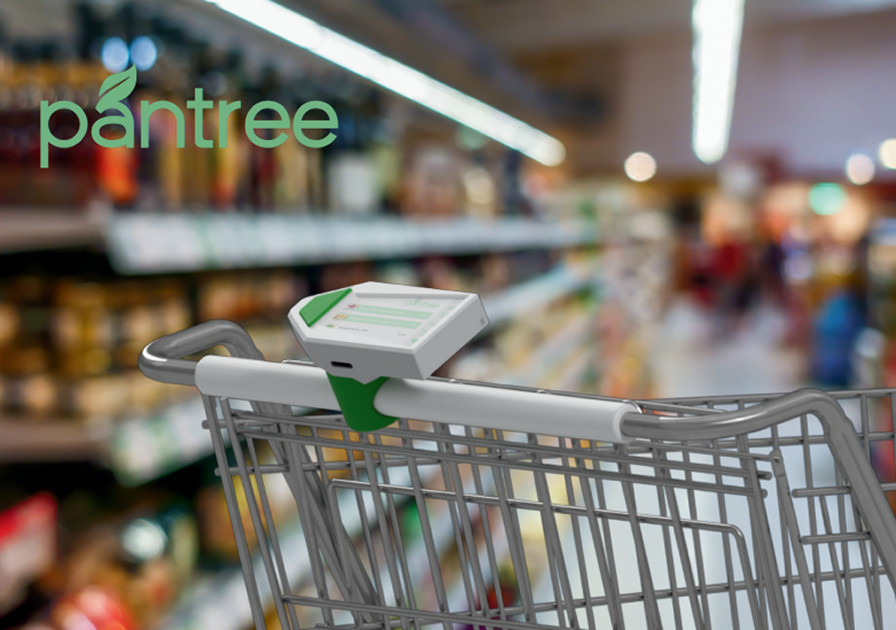
Pantree is a smart onboard trolley system built for the conscious shopper. It connects with a retailer’s app, displays live shopping lists on the trolley, checks items off in real time, and uses predictive intelligence to suggest what’s actually needed reducing food waste before food ever enters the home.
Mission
Pantree’s mission is not only to reduce food waste and create a sustainable shopping experience the future. But to establish trust and build relationships between supermarkets and consumers leading to savings and efficiency for consumers and enhanced customer loyalty for supermarkets.
1.3
Billion
Tonnes
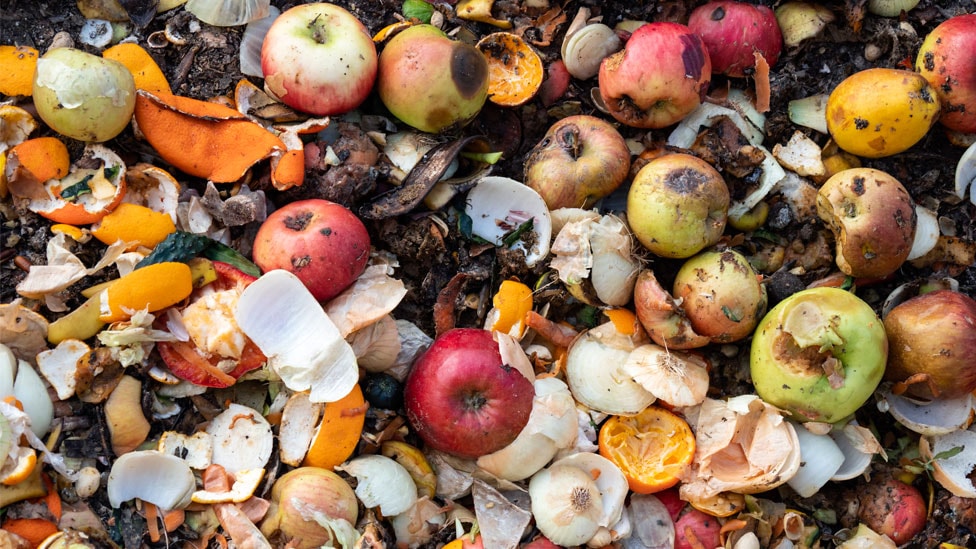
1/3
Households
Global Waste
Contribution
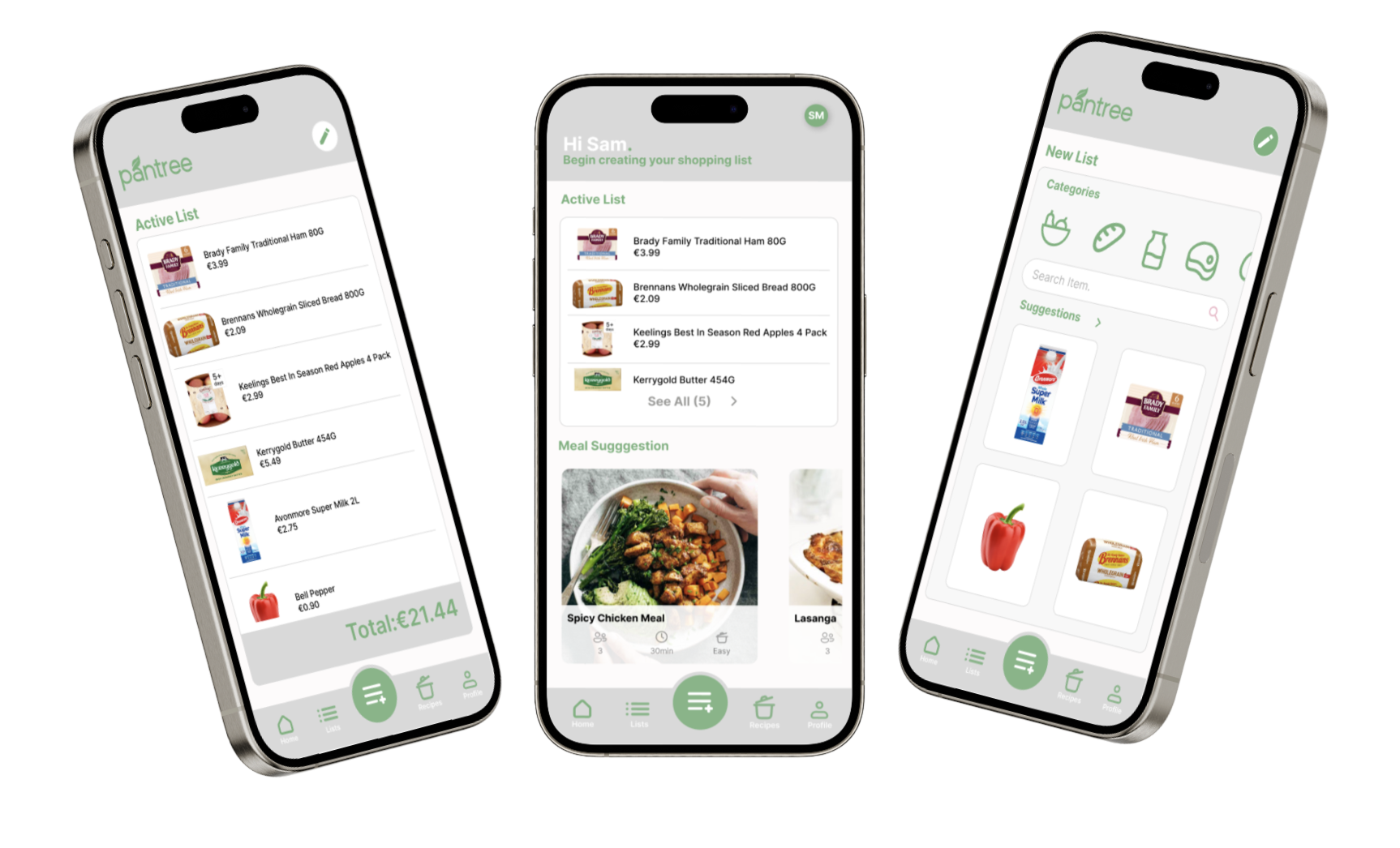
“Reinventing the Way You Shop. With Pantree’s predictive smart trolley system, every trip is efficient, sustainable, and designed with the conscious shopper in mind.”
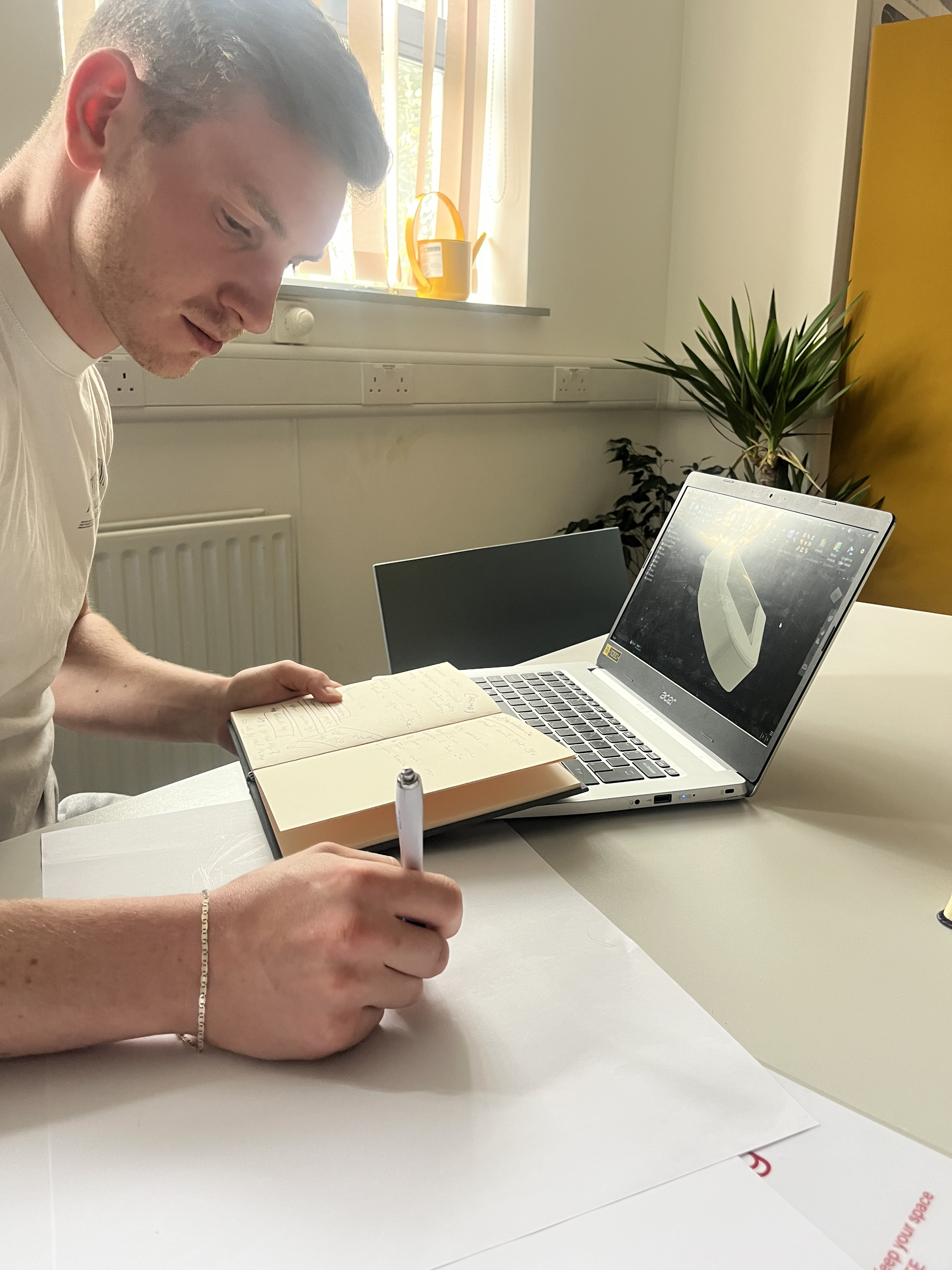
Sam Malone
Solo Designer
Solution
Pantree focuses its efforts on the conscious shopper and preventative measures. in a time of financial strain food waste/loss feels like throwing money in the bin. Research showed us that consistent use of shopping lists reduce food waste by 41%.
This is where Pantree steps in, creating, saving and rearranging shopping lists via Pantree's embedded application with the users chosen retailer. Pantree reasons with the users questioning their decisions based on their profile set up (household size, user feedback). Pantree’s predictive system using A.R.I.M.A (Auto, Regressive, Integrated, Moving, Average) ushers users to make the sustainable decisions.
Once the user is ready to shop they activate their list, pick-up a Pantree scanner, dock on their trolley and their shopping list appears optimised to the store layout. This created a smooth fluid experience for the user.

Shopper creates list via the retailer’s app

List appears when the trolley is docked

Items are checked off in real time as they’re scanned

The system learns from habits,diets and purchases
Flows
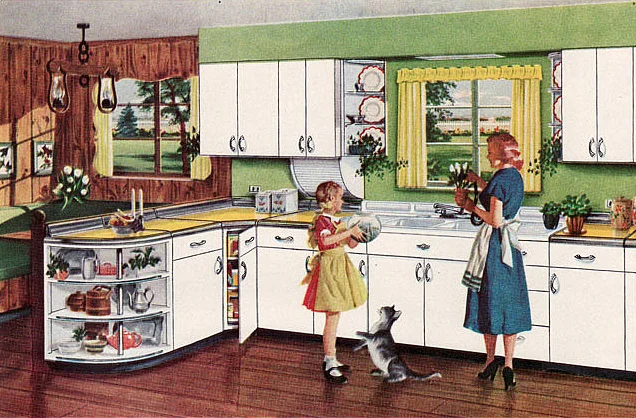
This user flow set out to bridge the gap between the supermarket and the fridge. Since the 1950’s the fridge and the supermarket have had a symbiotic development but there has always been and undeserved disconnect.
Research
Desk Research:
I began by exploring the scale of food waste and its key contributors. What stood out was that household waste is largely driven by planning issues, overbuying, and poor storage habits particularly for perishable goods.
During this phase I discovered a design revolution in the 1950’s, tackling the refrigerator all the eyes of food waste reduction.
Along side this one of the stronger findings was a social capital dynamic I discovered, where families with fuller fridges are perceived to be wealthier but in had this leads to food waste.
This reinforced the opportunity to intervene before purchase, not after.
User Interviews:
I conducted six semi-structured interviews with participants aged 24–60 across varying household sizes.
Key insights included:
- Busy lifestyles reduce planning quality
- Overbuying often feels emotionally justified
- Guilt around food waste exists, but tools feel effort-heavy
These insights highlighted the need for low-effort, supportive interventions.
Shopping List Experiment:
To test whether planning reduces waste, I ran a two-week study with 20 participants:
Group 1: Used shopping lists (Waste per person - 0.63kg/week)
Group 2: No shopping lists (Waste per person - 1.54kg/week)
Participants using lists consistently produced less food waste, validating planning as a key intervention point.
Photovoice Study
Participants documented moments of food waste in their daily lives.
The most striking insight was how normalised and unremarkable waste felt shaping Pantree’s focus on subtle nudges rather than confrontational messaging.
Decisions
Key Insights:
Food waste is driven by habits and perceived value, not lack of intent.
Habits outweigh intent
Good intentions broke down against everyday routines like overbuying and forgetting items.
Support beats intrusion
Users disengaged when reminders felt noisy or judgmental.
Value must be tangible
Financial savings motivated behaviour change more than sustainability alone.
Reframing the product
These insights repositioned Pantree as an adaptive system, not just a smart list.
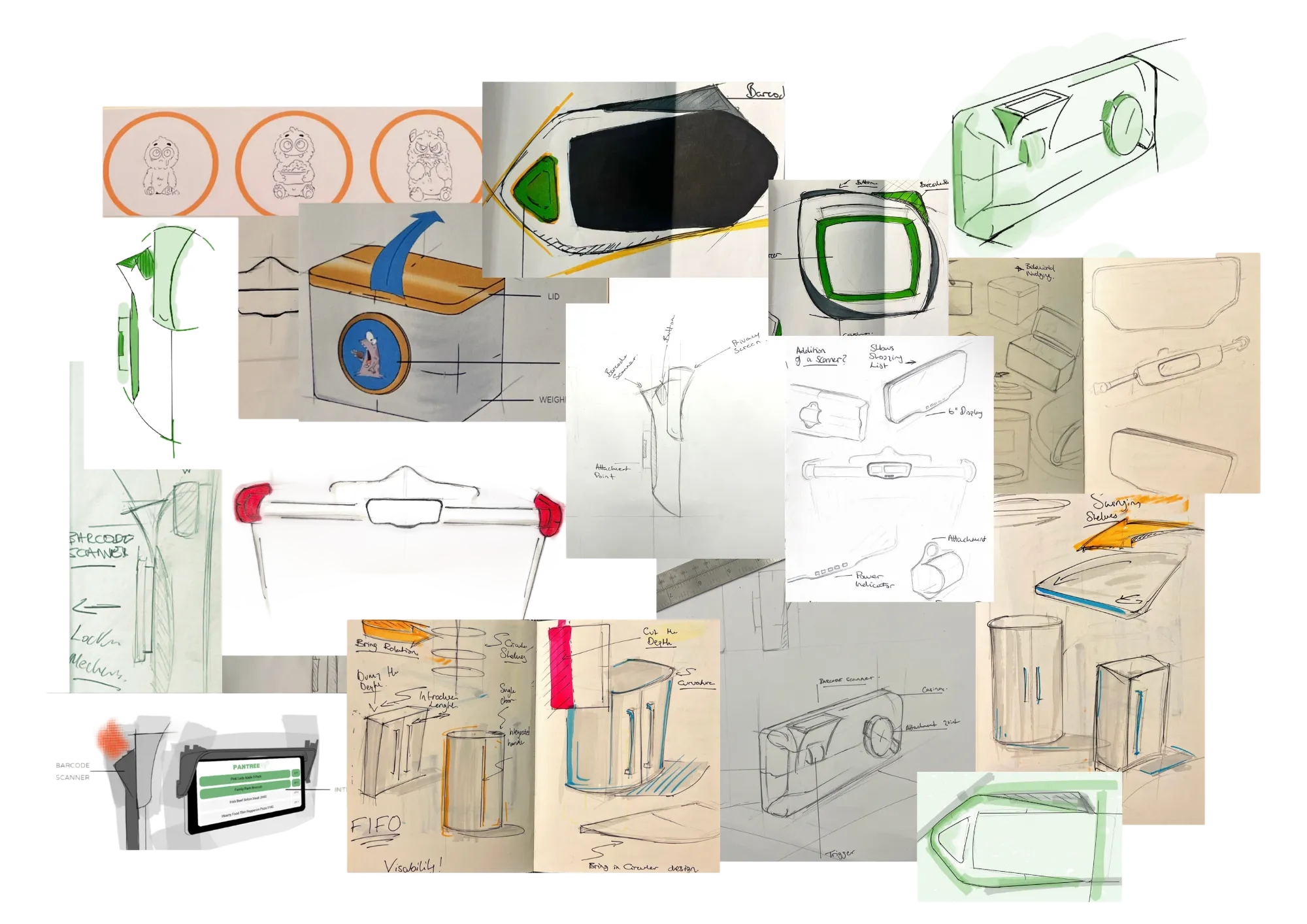
Ideation:
I explored concepts across:
Pre-purchase planning
Food storage awareness
Waste management
Behavioural nudging
Through thematic analysis, three core themes emerged:
Organisation
Food storage
Behavioural nudging
Challenging the Concept:
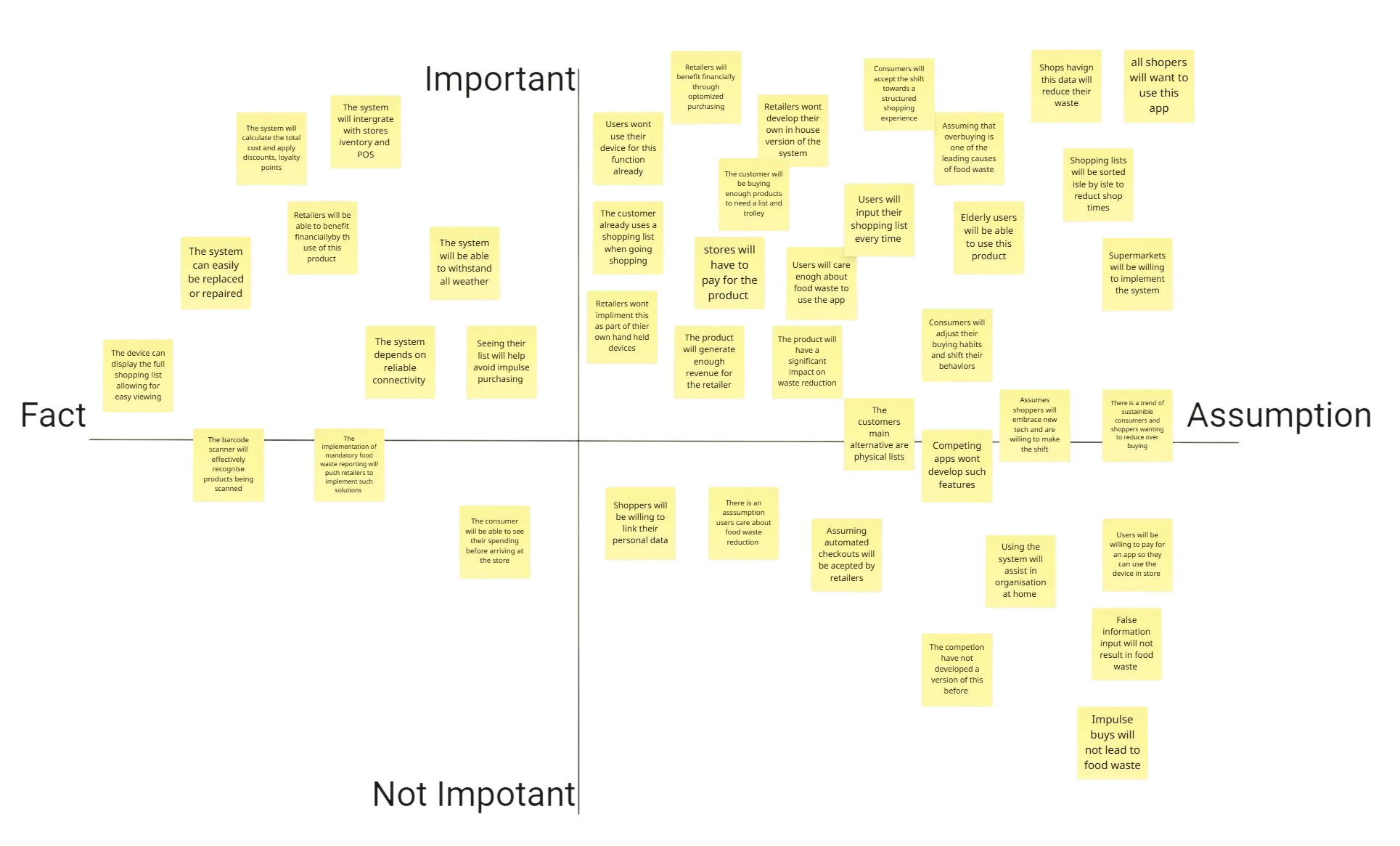
Using assumption mapping, I tested the beliefs underpinning Pantree.
Key Learnings:
Efficiency alone doesn't reduce waste
Retail buy-in is essential
User effort must remain low
Integration with existing retailer apps is critical
These learnings refined Pantree into a predictive shopping companion.
Why Pantree?
Pantree was selected because it addressed food waste at its source—before purchase while also offering value to retailers. It stood out by:
Encouraging intentional shopping
Supporting smoother in-store flow
Aligning with sustainable, low-waste lifestyles
Prototyping
Low-Fidelity Build
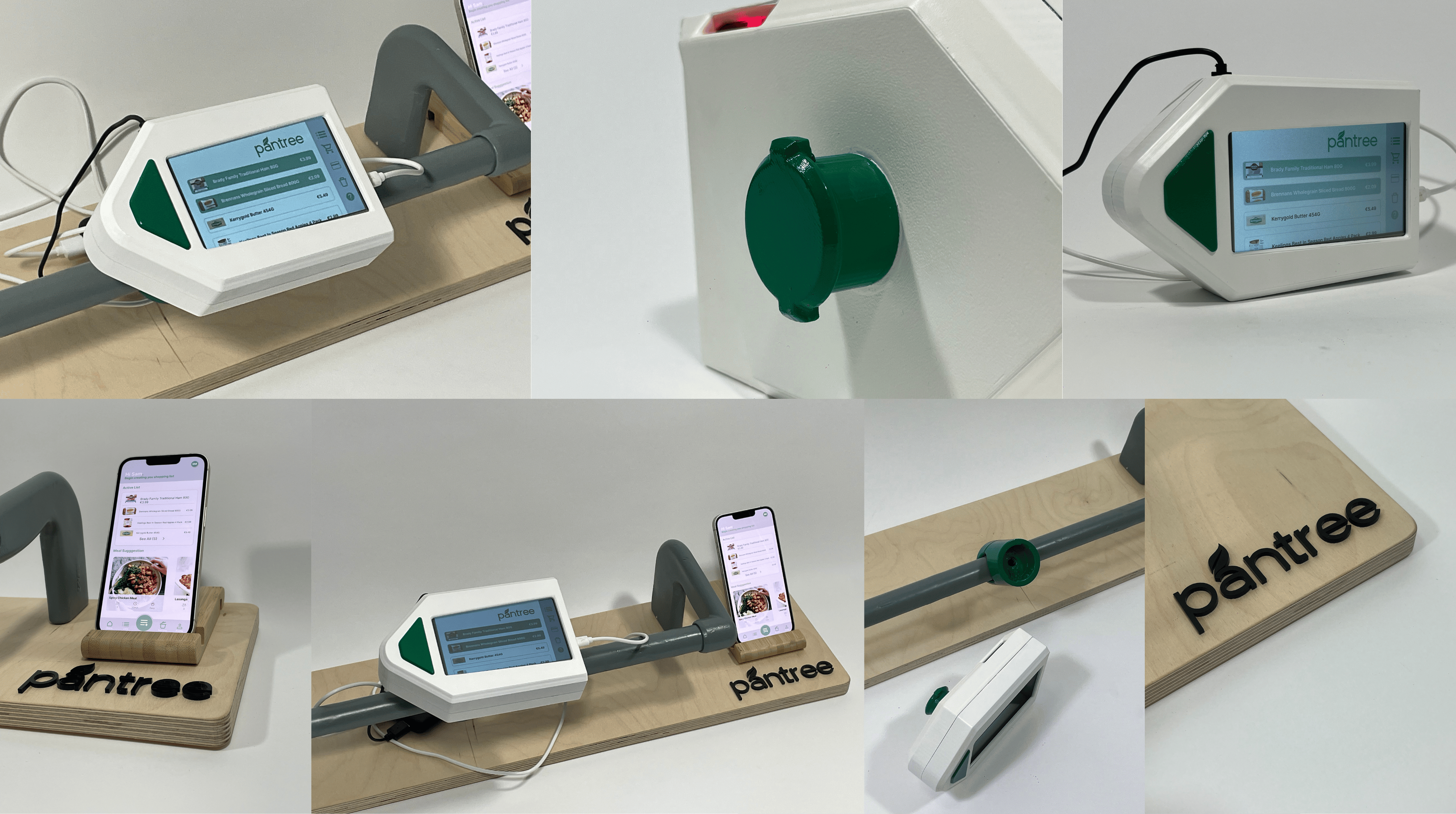
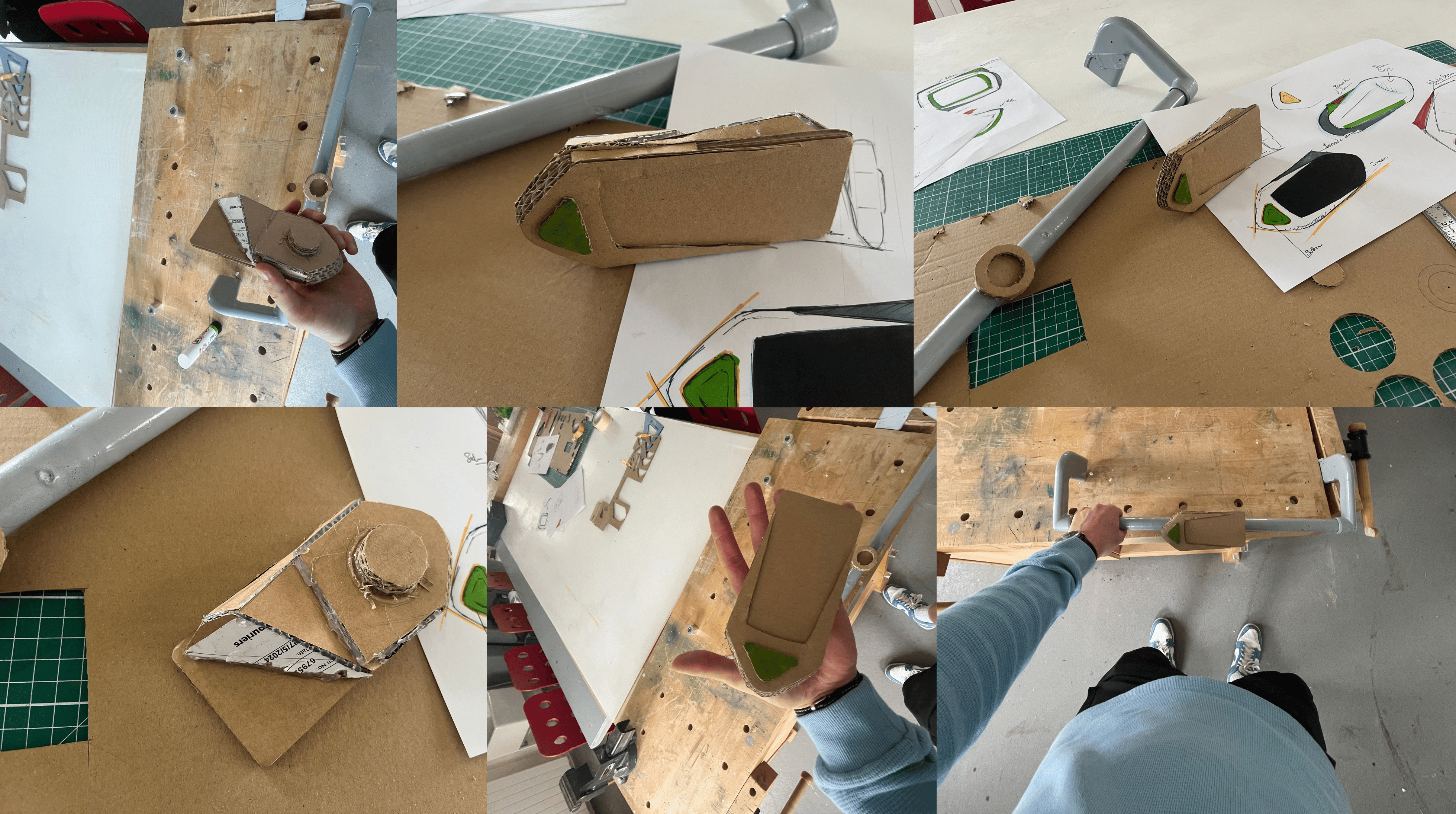
I began with cardboard prototypes to test scale, usability, and in-store presence.
Key Decisions:
Robust, angular form for durability
Fixed trolley attachment point
Large tactile button for ease of use
Partial screen occlusion for a futuristic feel
High-Fidelity Build
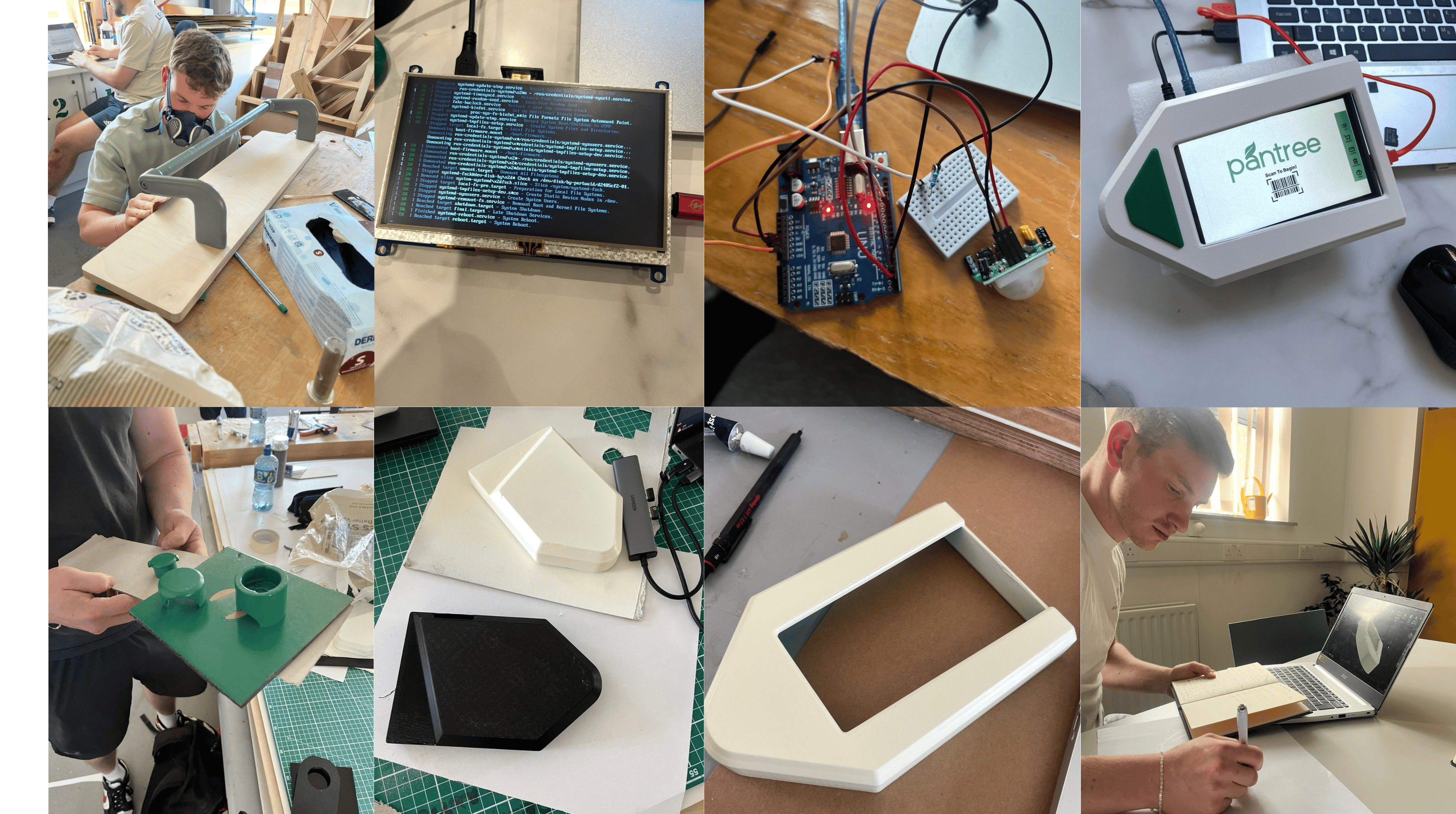
I developed a high-fidelity prototype using:
CAD
3D printing
Sanding and painting
Integrated electronics
Raspberry Pi for simulated scanning
The focus was on credibility in a real supermarket environment.
Digital Prototyping
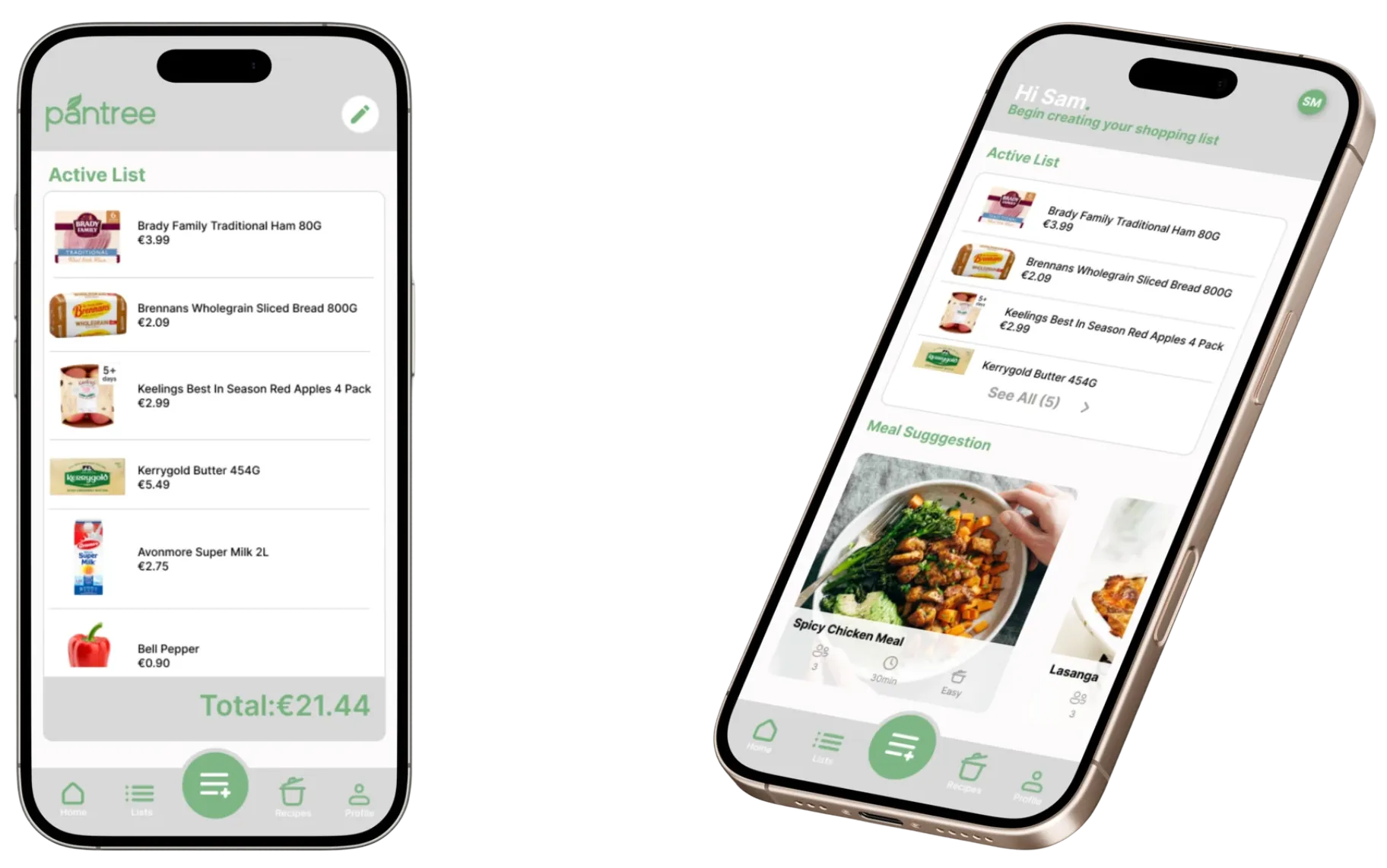
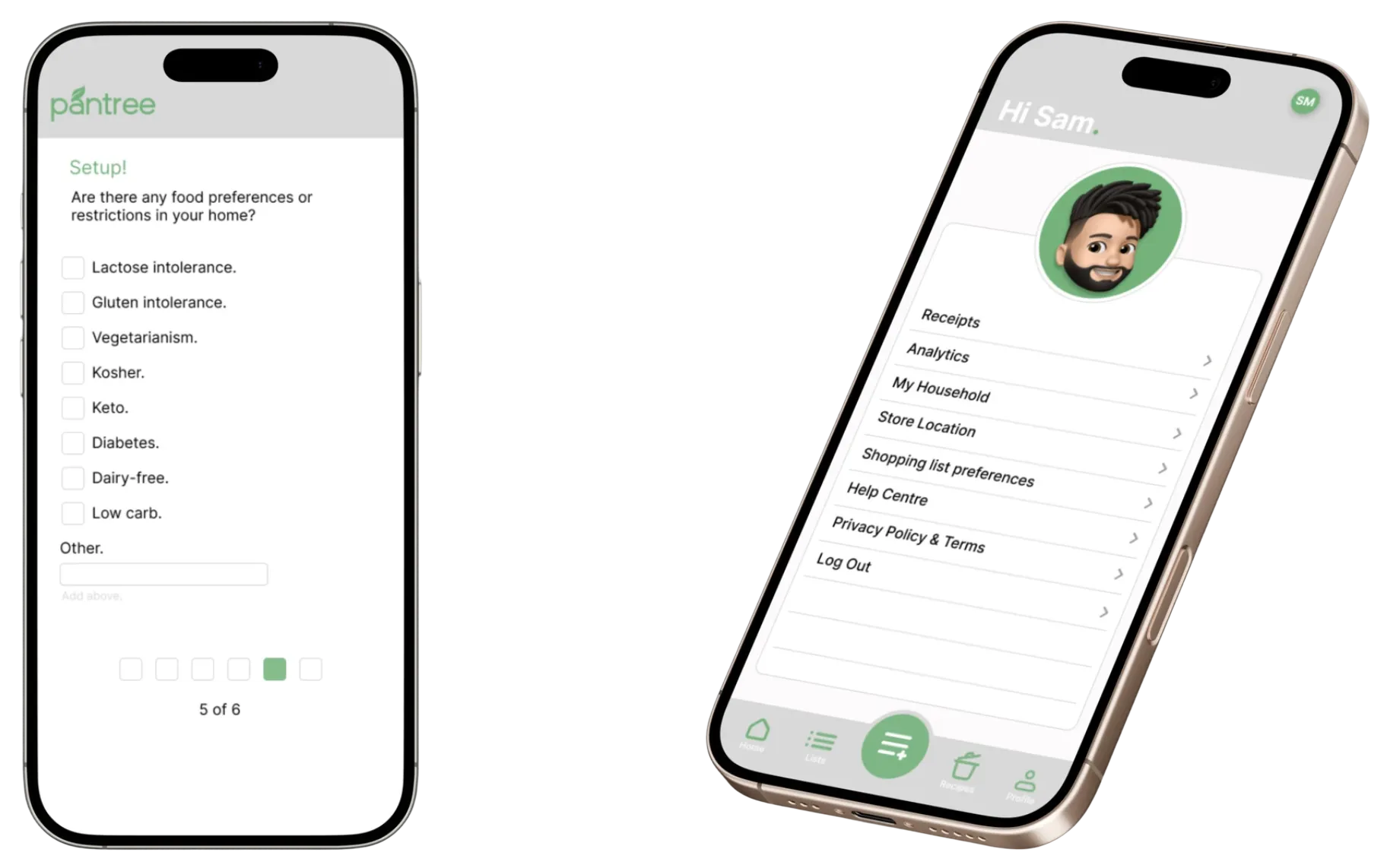
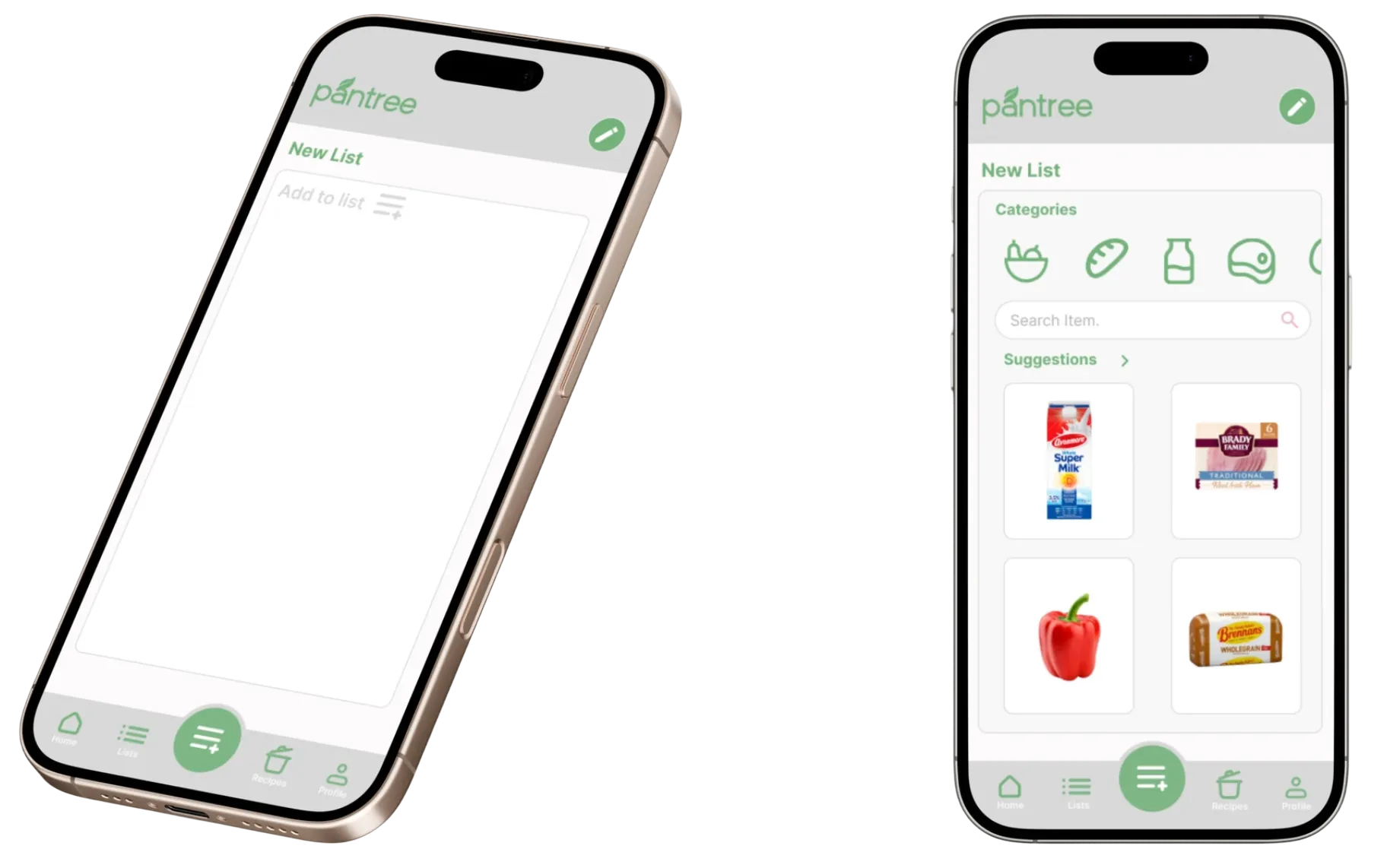
Using Figma, I designed Pantree's digital interface to be clear, adaptive, and transparent.
Key features included:
Flexible list management
Predictive suggestions
Yes/No feedback loops
User control and overrides
POS system alignment
Reflection
My final thoughts for this project would be the need for retail buy-in as a barrier to entry. We must understand the reciprocator nature of this product for both users and retailers. They will be able to further optimise their purchasing reducing in store waste and saving the retailer often wasted money. Concern about reduced impulse purchasing I believe there will always be enough impulse buying to cover that mark. All in all Pantree is striving for better brighter world.